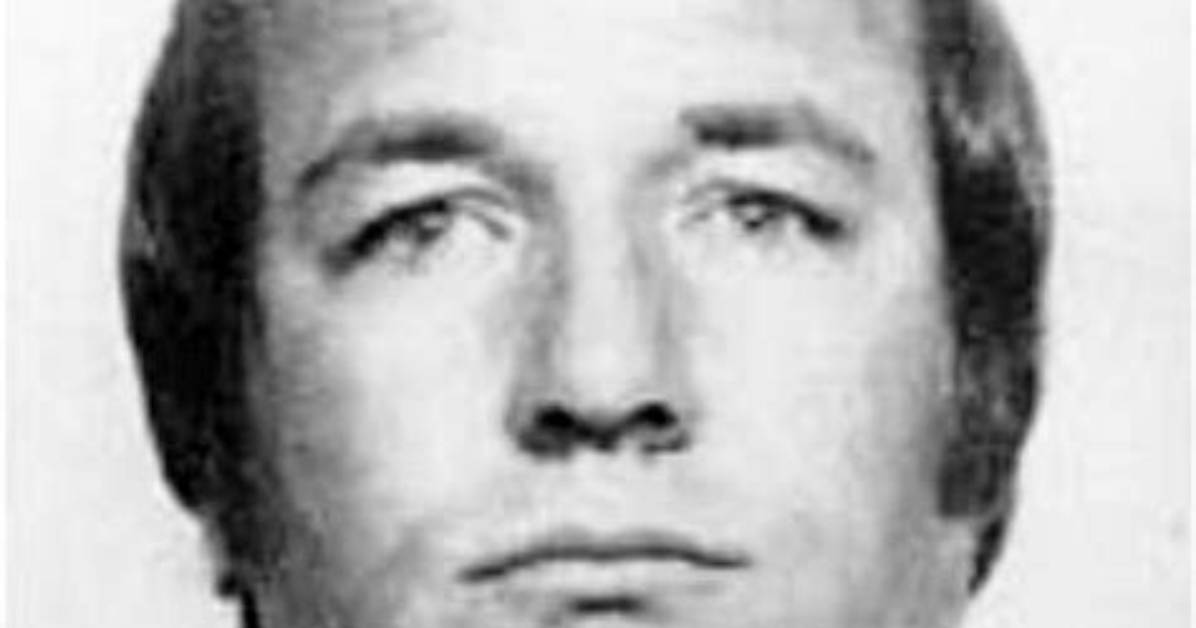
Seal was shot to death on 19 February 1986. The shooting happened in front of Salvation Army facility on Airline Highway in Baton Rouge where he had been sentenced to work as a modification by the judge to Seal’s original plea deal.
Colombian assassins sent by the Medellin Cartel were apprehended while trying to leave Louisiana, soon after Seal’s murder. Therefore, authorities concluded Seal’s murderers were hired by Ochoa. The killers were indicated by a state grand jury on March 27, 1986.
In May 1987, Luis Carlos Quintero-Cruz, Miguel Velez (died in custody 2015) and Bernardo Antonio Vasquez were convicted of first-degree murder in Seal’s death and sentenced to life imprisonment without parole Louisiana Attorney General William Guest wrote to United States Attorney General Edwin Meese criticizing the government’s failure to prospect Seal as a witness.
At Guest’s request, Meese launched an investigation to determine whether or not attorneys in Louisiana, Miami and Washington had mishandled the case, and to determine whether or not Seal should have been forced into protective custody.
Government attorneys stated that Seal placed himself in danger by refusing to move his family and entre a witness protection program. On March 16, 1986, one month after Seal’s assassination, President Reagan sought to bolster Congressional support for the Contras, by showing on television one of the photographs Seal had taken.
He suggested that a top-ranking Sandinista official was involved in drug smuggling. In 1991, cartel member Max Mermelstein testified that he had been instructed in December 1984 either to kidnap Seal and return him to Colombia or to murder him. The reward to kidnap Seal was $1 million, and the reward to kill him was $500,00.

